
We all know that the world and the business landscape is changing at the speed of light. The post-COVID era is a different era. It’s a D-VUCAD world as we know, where the business landscape is Disruptive, Volatile, Uncertain, Complex, Ambiguous, and Diverse. Navigating the D-VUCAD world is becoming more difficult day by day as leaders need to develop the skills of adaptability, resilience, strategic thinking, and collaboration.
The old traditional methodologies of Autocratic Leadership, emphasizing rigid hierarchies and unilateral decision-making without taking inputs from others, have become ineffective in today’s dynamic, collaborative, and diverse work environments.
So why doesn’t it work? This is because it stifles creativity, discourages innovation, and lowers employee engagement. Employees today value collaboration and want their voices heard.
Recent research from 2025 highlights the detrimental effects of poor leadership on organizations, encompassing decreased productivity, increased employee turnover, and financial losses.
Key Findings:
- Productivity Decline: Organizations with ineffective leadership experience a 29% reduction in productivity. (Afterburner)
- Employee Turnover: Poor leadership contributes to a 23% increase in employee turnover, leading to higher recruitment and training costs. (Afterburner)
- Toxic Work Environments: Approximately 75% of employees have worked in toxic workplaces, with 78.7% attributing this to poor leadership or management. (HR Tech Age)
- Financial Performance: Companies with robust leadership development programs are 12 times more likely to achieve strong business results. (Brimco)
Case Study: Tesla’s Leadership Challenges
Tesla has faced significant challenges due to CEO Elon Musk’s divided attention among multiple ventures, leading to a 50% drop in market capitalization and investor dissatisfaction. (Business Insider)
So what does the market need?
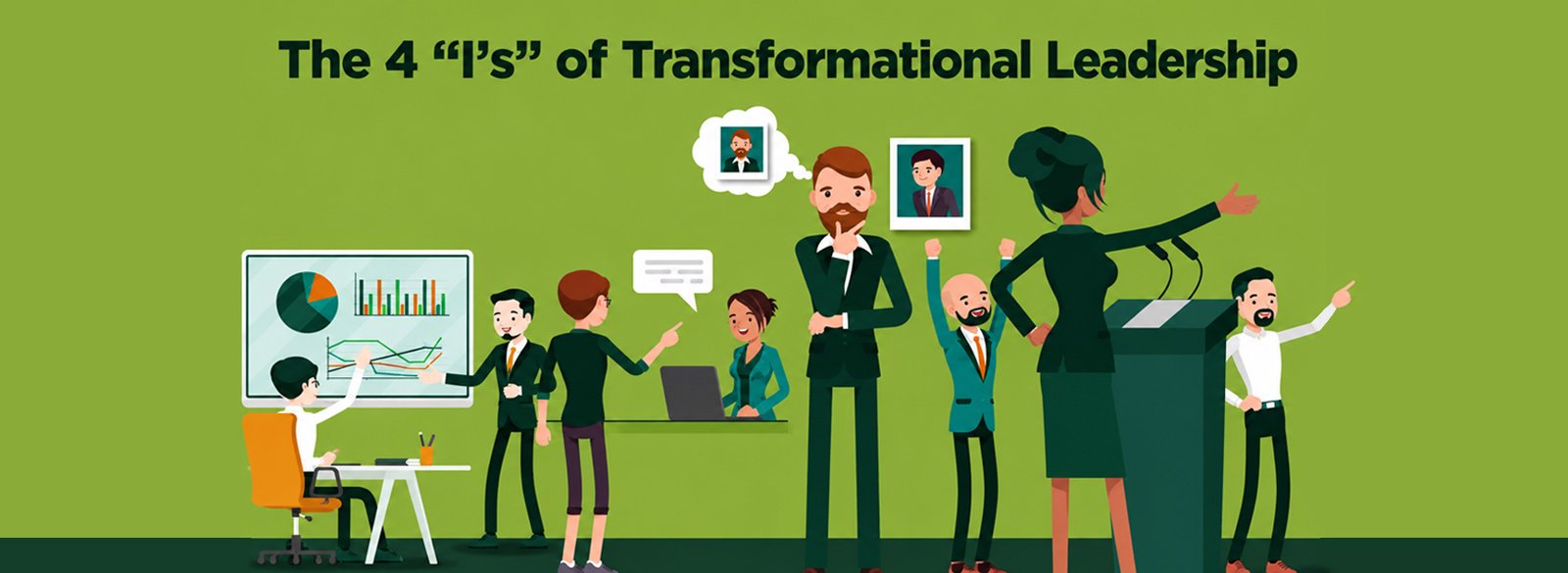
Transformational leadership is considered the need of the hour because it aligns well with the dynamic and uncertain challenges businesses face today. This leadership style is characterized by inspiring and motivating employees to exceed their own expectations and contribute meaningfully to organizational goals.
Here’s why it’s crucial: (Gallup)
- Inspires Innovation & Adaptability
- Enhances Employee Engagement & Retention
- Drives Organizational Change
- Promotes Diversity & Inclusion
- Fosters Continuous Learning & Development
- Builds Resilient & Agile Teams
That is why Transformational Leadership is the need of the hour—leadership that promotes an environment of inclusivity, trust, collaboration, and Strengths-Based Leadership (Gallup).
In fact, leaders should build teams where, even if they are not present in the office, their teams are self-motivated enough to carry on their tasks.
How do you create such teams? How do you create such a work environment?
Most bigwig leaders spend 20% of their time envisioning the future, fostering creativity, and growing the company to the next level.
So how can you become that visionary leader who no longer micromanages but instead Leads with Purpose. Leads with Pride.